Home / Conditions / Coronary Artery Disease
Coronary Artery Disease
Reviewed by Dr. Ajay Kaul, M.Ch — Chairman, Cardiac Sciences, Fortis Noida · Updated August 2026
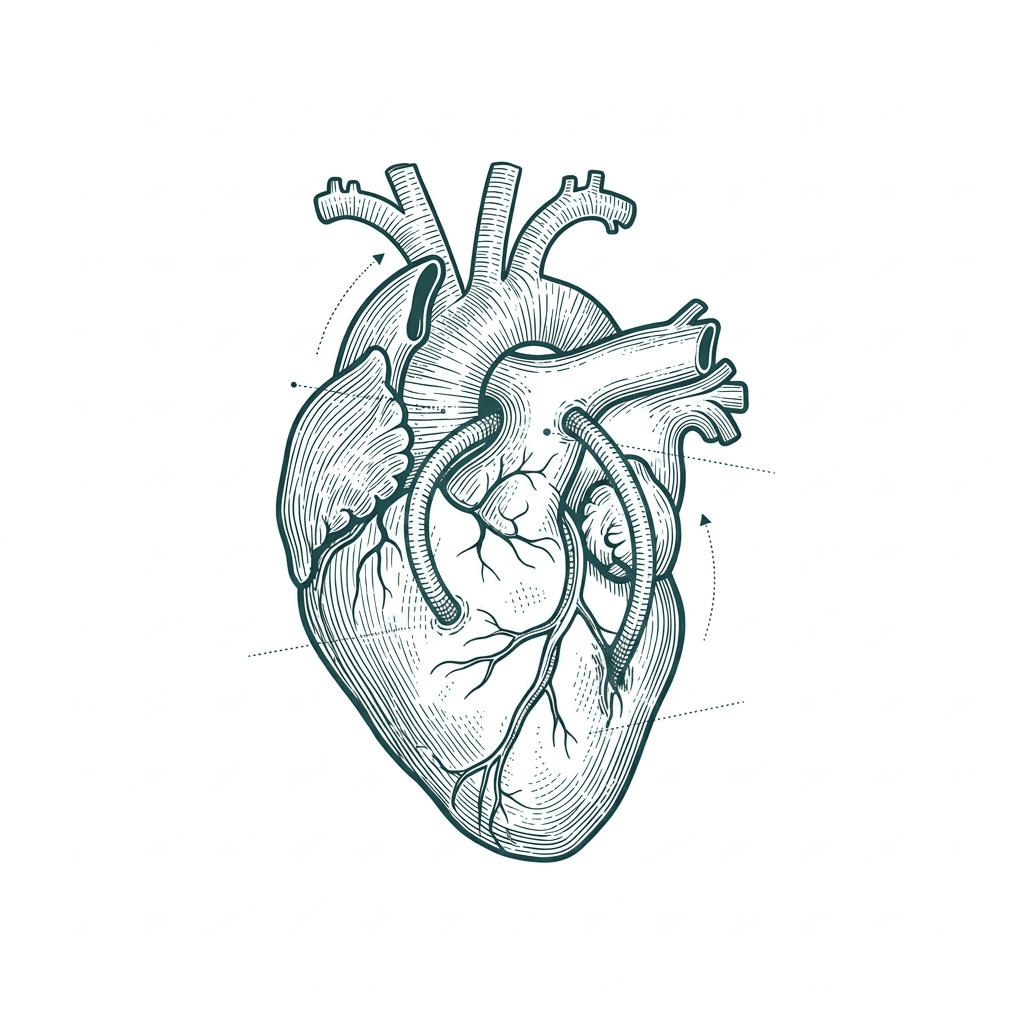
Narrowing or blockage of the arteries that supply blood to the heart muscle, usually caused by a gradual buildup of fatty deposits (plaque) inside the artery walls. As the buildup grows, less blood reaches the heart muscle, particularly during exertion when demand is highest.
Symptoms
- Chest pain or discomfort (angina), especially brought on by exertion and relieved by rest
- Breathlessness, particularly with activity
- Discomfort spreading to the arm, jaw, neck, or back
- Fatigue that's disproportionate to the activity
- In some people, especially with diabetes, few or no warning symptoms at all
Causes & risk factors
- High blood pressure
- High cholesterol
- Diabetes
- Smoking
- Family history of heart disease
- Obesity and low physical activity
- Age — risk rises steadily after 45–50
How it’s diagnosed
- ECG, to look for signs of reduced blood flow
- Blood tests, including a lipid profile and, if a heart attack is suspected, troponin
- Treadmill or stress test, to see how the heart responds under exertion
- Echocardiogram, to assess overall heart function
- CT coronary angiography or invasive angiography, to see the arteries directly
Treatment options
Treatment depends on how severe the blockages are and where they're located. Milder disease is often managed with medication and lifestyle change; blockages significant enough to limit blood flow are treated with angioplasty and a stent, or with bypass surgery when blockages are extensive or in a pattern that responds better to surgery.
Common questions
No — chest pain has many causes. But any new or unexplained chest pain, especially brought on by exertion, needs prompt evaluation to rule out coronary artery disease.
Not sure what your symptoms mean? Ask directly.
Send your reports, or describe what you’re experiencing — Dr. Kaul’s team will guide you to the right next step.