Home / Procedures / TAVR
TAVR — Transcatheter Aortic Valve Replacement
Reviewed by Dr. Ajay Kaul, M.Ch — Chairman, Cardiac Sciences, Fortis Noida · Updated August 2026
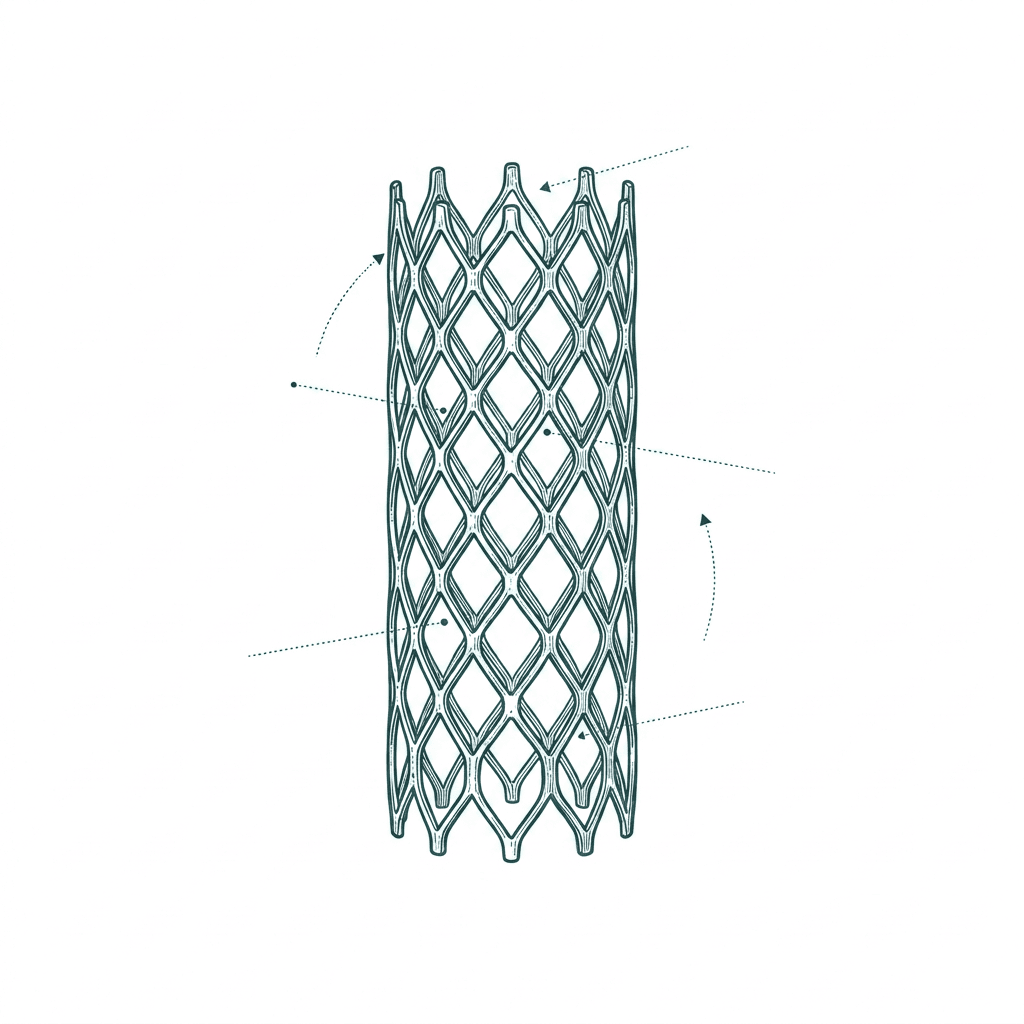
The 60-second summary
What it is
A catheter-based procedure that places a new aortic valve inside your old one — usually through an artery in the groin — without opening the chest or stopping the heart.
Who needs it
People with severe aortic valve narrowing causing symptoms, particularly those for whom open-heart valve replacement carries higher risk due to age or other health conditions.
Hospital stay
Usually 2–4 days.
Back to normal
Most people are walking the same day and back to normal light activity within 1–2 weeks — one of the fastest recoveries among heart valve treatments.
Are you a candidate for TAVR?
- Severe aortic valve narrowing confirmed on echocardiogram, with symptoms such as breathlessness, chest discomfort, or fainting spells
- Higher surgical risk for open valve replacement due to age, frailty, or other medical conditions
- Suitable artery access and aortic valve anatomy confirmed on CT scan, a required step before TAVR is offered
- Increasingly considered for intermediate and lower-risk patients too, based on current evidence
TAVR isn't the right fit for every aortic valve.
TAVR isn't right for every aortic valve, or every patient. Some anatomy is better served by open surgical replacement — including certain younger patients, for whom the surgical valve's longer track record may be the better long-term choice. A CT scan and heart-team review determine genuine suitability.
How Dr. Kaul's team approaches TAVR
1 · Access chosen for you, not by default
Most TAVR is done through an artery in the groin under local anaesthesia with sedation, but access route is individualised to your vascular anatomy.
2 · A full heart-team decision, not a solo call
Every TAVR case is discussed between the cardiologist and surgeon before proceeding — including whether surgical replacement might actually serve you better.
3 · Built on surgical judgment
Dr. Kaul's TAVR practice sits alongside decades of open valve surgery experience, so the honest comparison between the two options is made with real experience on both sides, not a catheter-only perspective.
“TAVR, explained: what actually happens during the procedure” — video launching soon on our YouTube channel
Recovery, week by week
The risks, honestly
TAVR is less invasive than open surgery, but it is not risk-free. Risks include bleeding or injury at the access site, stroke, the need for a permanent pacemaker if the procedure affects the heart's electrical system, and valve-related complications. Your individual risk depends on your artery anatomy, valve anatomy, and overall health — assessed in detail on CT before the procedure is offered.
What TAVR costs
Every case is priced individually
Delhi NCR private hospitals (indicative) — the valve device itself is the largest cost component; final pricing depends on the specific valve used and any additional access requirements.
Common questions
TAVR was developed specifically for patients considered higher-risk for open surgery, including advanced age. It's often the preferred option for exactly this group, once anatomy is confirmed suitable.
Diagnosed with blockages? Talk before you decide.
A conversation costs nothing — and it may change the plan.