Home / Conditions / Heart Failure
Heart Failure
Reviewed by Dr. Ajay Kaul, M.Ch — Chairman, Cardiac Sciences, Fortis Noida · Updated August 2026
A condition where the heart muscle can't pump blood as efficiently as the body needs. Despite the name, it doesn't mean the heart has stopped or "failed" — it means the heart is working less effectively than it should, and the body compensates in ways that eventually cause symptoms.
Symptoms
- Breathlessness, especially on exertion or when lying flat
- Fatigue
- Swelling in the legs, ankles, or abdomen
- Rapid or irregular heartbeat
- Persistent cough or wheeze
- Sudden weight gain from fluid retention
Causes & risk factors
- Coronary artery disease and prior heart attacks — the most common cause
- High blood pressure, over many years
- Heart valve disease
- Cardiomyopathy
- Certain infections or toxins affecting the heart muscle
How it’s diagnosed
- Clinical examination
- Echocardiogram, to measure how well the heart is pumping (ejection fraction)
- Blood tests, including BNP, a marker that rises in heart failure
- Cardiac MRI or angiography, sometimes needed to find the underlying cause
Treatment options
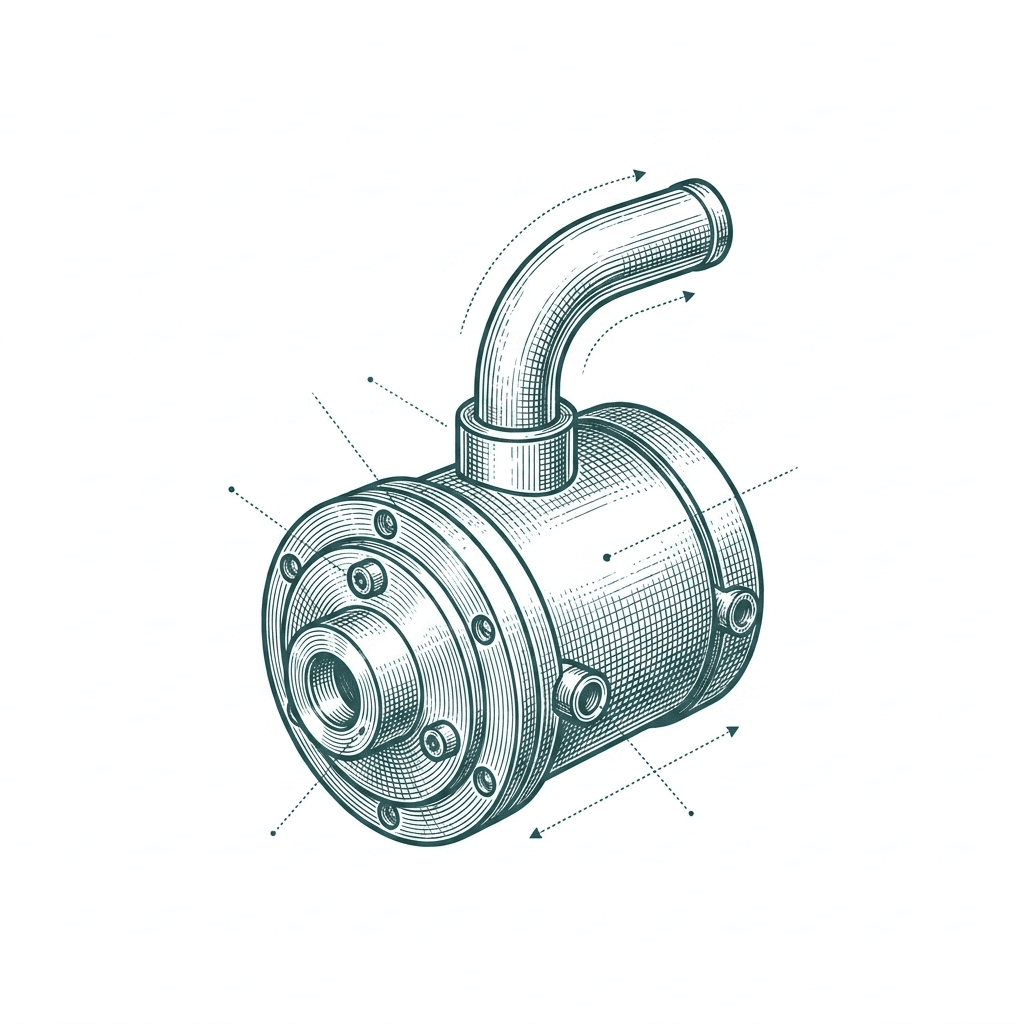
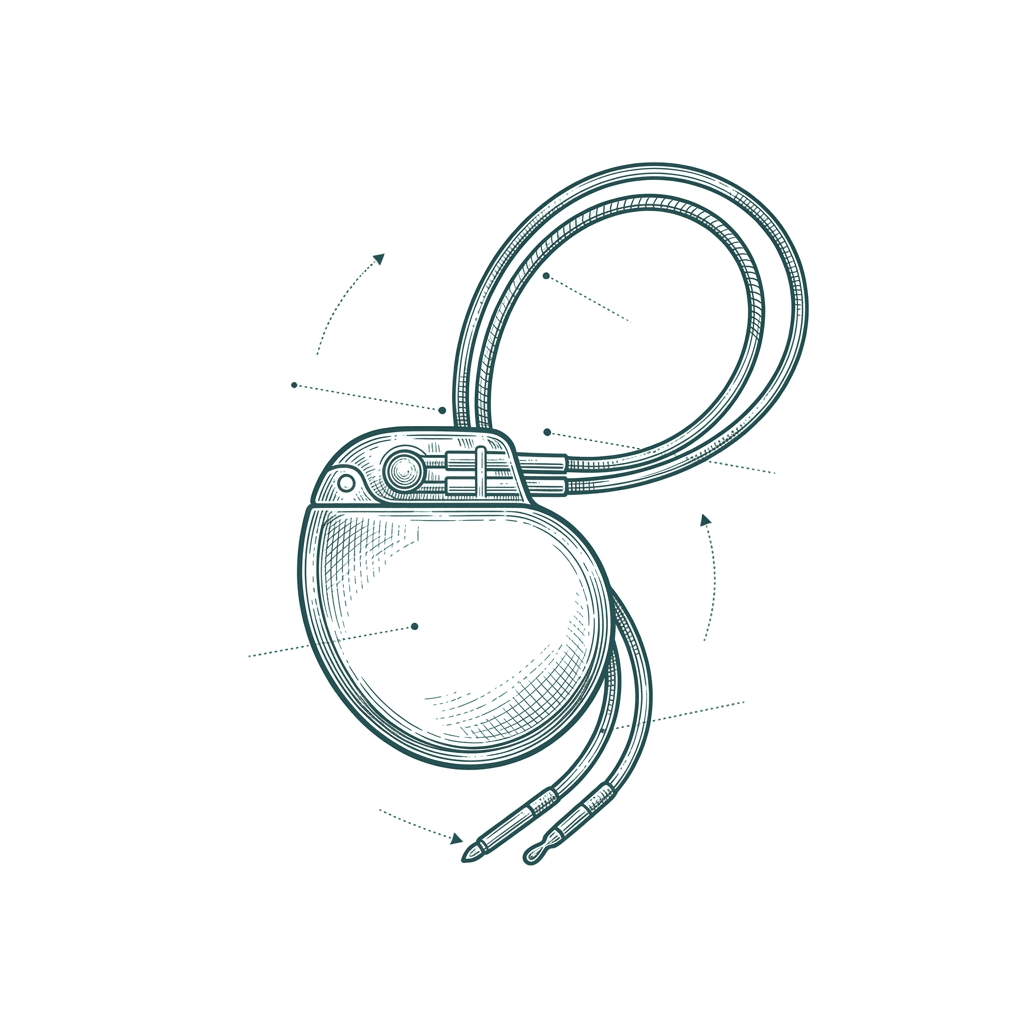
Most heart failure is managed first with medication that has strong evidence for improving both symptoms and long-term survival. When medication alone isn't enough to control symptoms, advanced options — including rhythm devices, LVAD, or transplant — are considered by a heart failure specialist team.
Common questions
No. A heart attack is a sudden event caused by a blocked artery. Heart failure is an ongoing condition where the heart pumps less effectively — which can result from a past heart attack, among other causes.
Not sure what your symptoms mean? Ask directly.
Send your reports, or describe what you’re experiencing — Dr. Kaul’s team will guide you to the right next step.