Home / Procedures / Pacemaker & AICD
Pacemaker & AICD Implantation
Reviewed by Dr. Ajay Kaul, M.Ch — Chairman, Cardiac Sciences, Fortis Noida · Updated August 2026
The 60-second summary
What it is
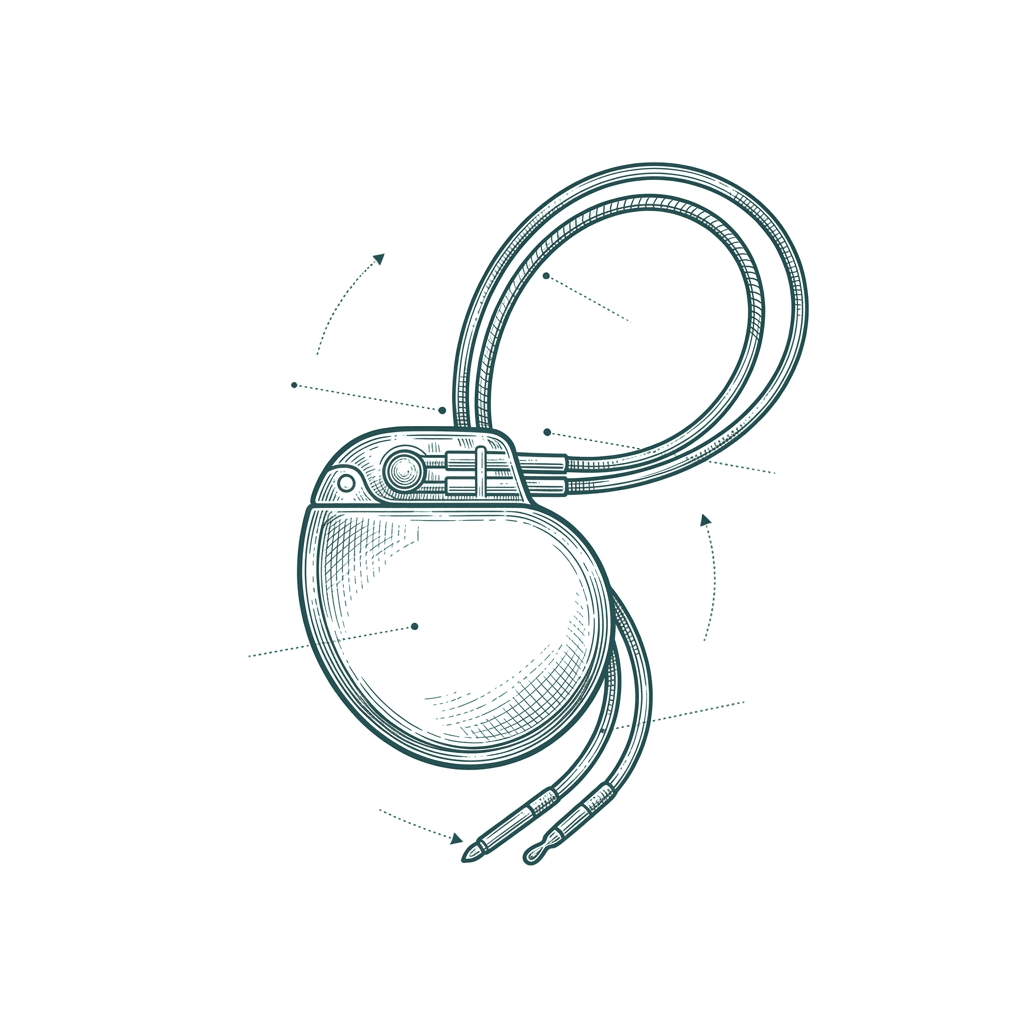
A small device implanted under the skin near the collarbone, connected to the heart by thin wires, that either paces a heart beating too slowly (pacemaker) or monitors for dangerous rhythms and delivers a shock if needed (AICD).
Who needs it
People with a heart rhythm that's too slow, causing dizziness or fainting (pacemaker), or people at risk of a dangerous fast rhythm that could be life-threatening (AICD).
Hospital stay
Usually 1–2 days.
Back to normal
Most people resume light activity within a few days and normal activity within 4–6 weeks, once the device site has healed.
Do you need a pacemaker or AICD?
- A slow heart rhythm (bradycardia) causing dizziness, fainting, or extreme fatigue — for a pacemaker
- Documented episodes of dangerous fast heart rhythm, or heart function low enough to carry meaningful risk of one — for an AICD
- Certain heart block conditions where the heart's electrical signal isn't reaching the lower chambers properly
- Some heart failure patients who benefit from a combined pacing device (CRT) that helps the heart's chambers beat in better coordination
Not every irregular heartbeat needs a device.
Not every irregular heartbeat needs a device — many rhythm issues are managed with medication alone. Device implantation is recommended only when monitoring and testing show a genuine risk that a device meaningfully reduces.
How pacemaker and AICD implantation works
1 · A day-procedure approach, done properly
Implanted under local anaesthesia with sedation through a small incision near the collarbone, positioning leads precisely using live imaging.
2 · The right device for the right rhythm problem
Pacemaker, AICD, or a combined device (CRT) is chosen based on exactly what your heart's rhythm and function testing shows — never a default choice.
3 · Programmed and followed, not just implanted
After implantation, the device is programmed to your specific heart rhythm and checked regularly at follow-up to make sure it's working as intended.
“Pacemaker and AICD implantation: what the procedure actually involves” — video launching soon on our YouTube channel
Recovery, week by week
The risks, honestly
Device implantation is one of the lower-risk cardiac procedures, but it isn't without risk — including infection at the device site, lead displacement, bleeding, and rarely, injury to the lung or heart during lead placement. Your individual risk depends on your overall health and the specific device being implanted. Regular follow-up checks the device and leads are functioning correctly.
What pacemaker and AICD implantation costs
Every case is priced individually
Delhi NCR private hospitals (indicative) — the device itself is the main cost driver; AICDs and CRT devices cost significantly more than standard pacemakers.
Common questions
Most people don't feel a pacemaker pacing normally. An AICD delivering a shock, which is rare, is noticeable, but this only happens if it detects a genuinely dangerous rhythm.
Diagnosed with blockages? Talk before you decide.
A conversation costs nothing — and it may change the plan.