Home / Conditions / Valve Disease
Heart Valve Disease
Reviewed by Dr. Ajay Kaul, M.Ch — Chairman, Cardiac Sciences, Fortis Noida · Updated August 2026
A problem with one of the heart's four valves — either not opening fully (stenosis) or not closing properly, allowing blood to leak backward (regurgitation). Either way, the heart has to work harder to move blood normally, which over time can strain the heart muscle.
Symptoms
- Breathlessness, especially on exertion or when lying flat
- Fatigue
- Swelling in the ankles or legs
- Palpitations
- In many cases, no symptoms at all until the disease is advanced — which is why valve disease is often found on a routine examination
Causes & risk factors
- Age-related wear and calcification of the valve
- Rheumatic heart disease — valve damage from untreated childhood strep throat infections, still a significant cause in India
- Congenital valve abnormalities present from birth
- Infection of the valve (endocarditis)
- A prior heart attack affecting the structures that support a valve
How it’s diagnosed
- A heart murmur detected on clinical examination, often the first clue
- Echocardiogram — the primary test to see the valve and measure how severely it's affected
- CT or cardiac MRI, for detailed surgical planning in some cases
Treatment options
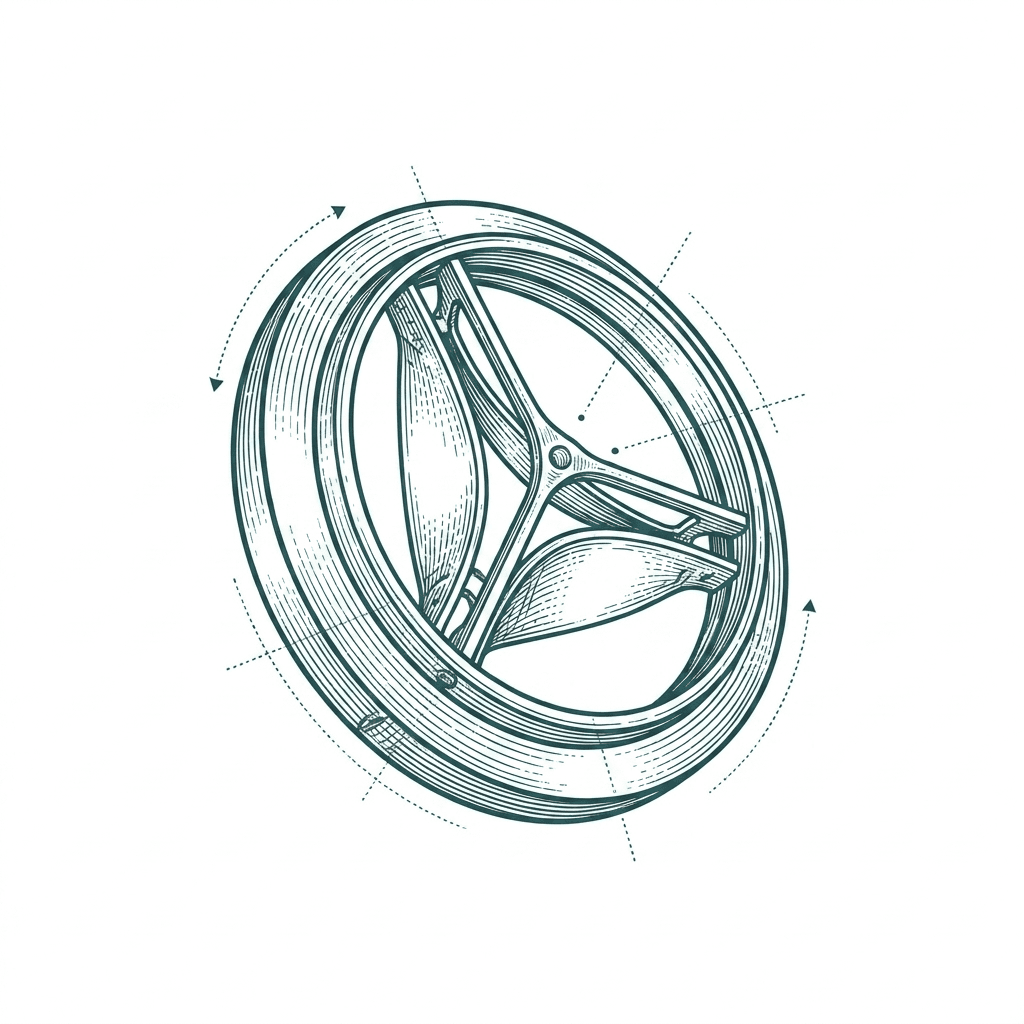
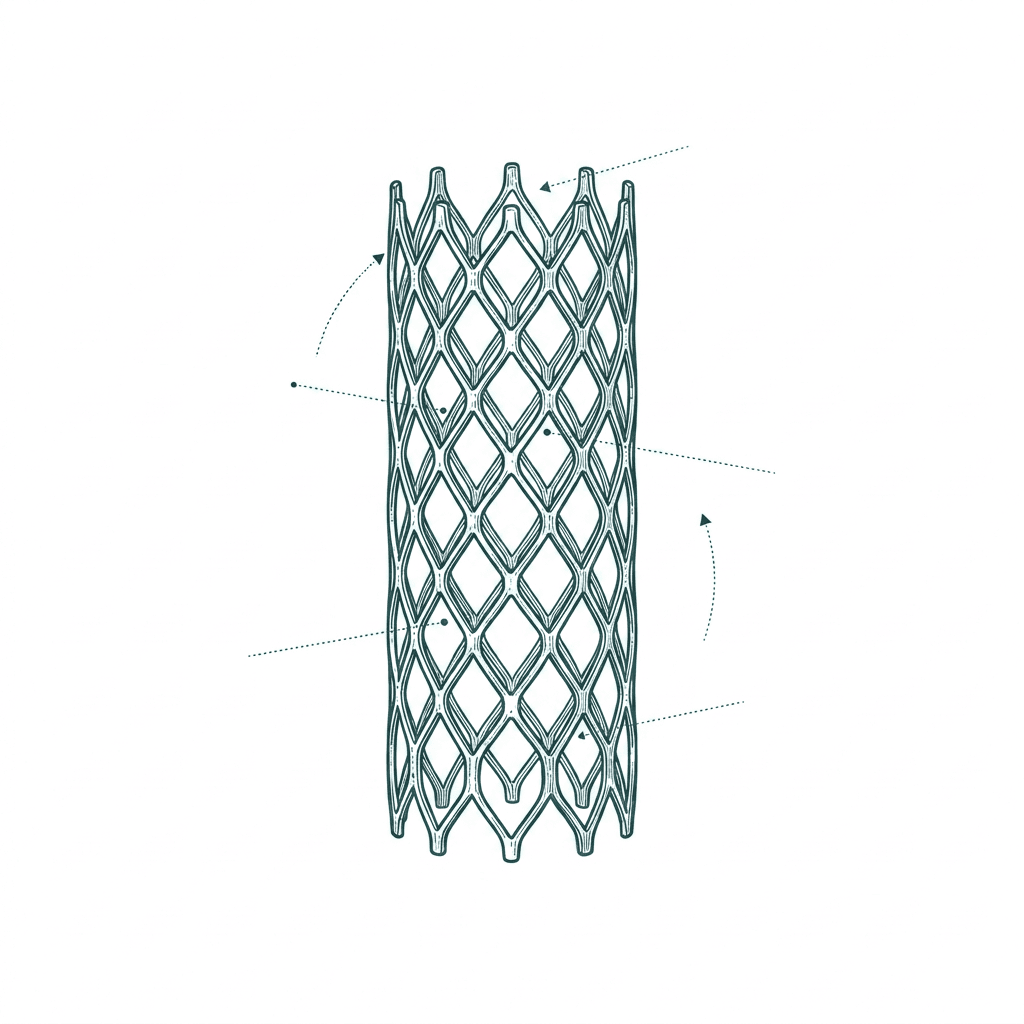
Mild valve disease is usually monitored with regular echocardiograms rather than treated. Moderate-to-severe disease causing symptoms, or affecting heart function even without symptoms, is treated with valve repair or replacement surgery — or, in selected patients, a catheter-based procedure such as TAVR or TMVR.
Common questions
Not necessarily — many patients with valve disease are simply monitored with regular scans. Surgery is timed to when the benefit clearly outweighs the risk, not at first diagnosis.
Not sure what your symptoms mean? Ask directly.
Send your reports, or describe what you’re experiencing — Dr. Kaul’s team will guide you to the right next step.