Home / Procedures / TMVR
TMVR — Transcatheter Mitral Valve Replacement
Reviewed by Dr. Ajay Kaul, M.Ch — Chairman, Cardiac Sciences, Fortis Noida · Updated August 2026
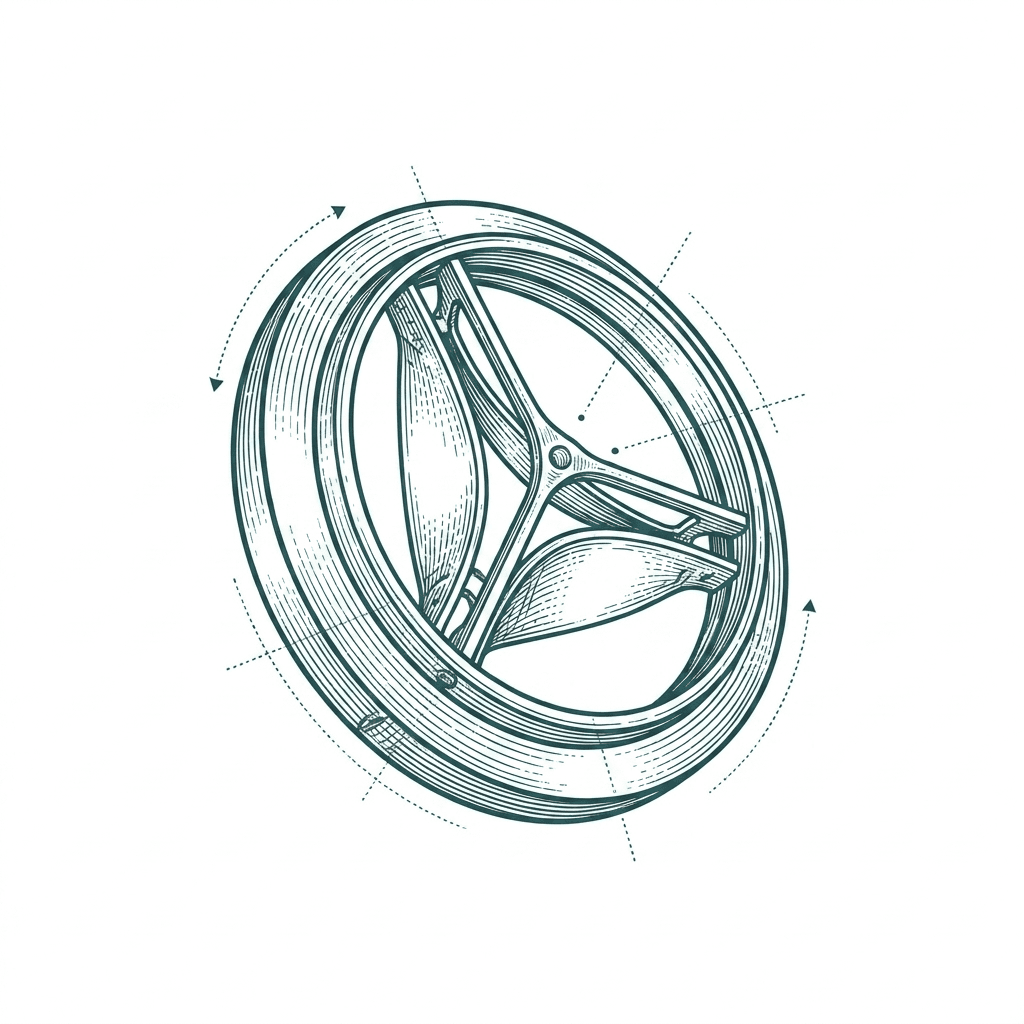
The 60-second summary
What it is
A catheter-based procedure that replaces or repairs the mitral valve without open-heart surgery, typically for patients whose mitral valve disease is complex or who carry higher risk for open surgery.
Who needs it
Patients with significant mitral valve leakage who are not ideal candidates for open mitral valve surgery due to age, other health conditions, or anatomy, and whose case has been reviewed by a heart team.
Hospital stay
Usually 3–5 days.
Back to normal
Recovery is generally faster than open mitral valve surgery; most patients return to light activity within 2–3 weeks.
Are you a candidate for TMVR?
- Significant mitral valve regurgitation confirmed on echocardiogram, with symptoms despite medication
- Higher surgical risk for open mitral valve surgery due to age, frailty, or other conditions
- Mitral valve anatomy suitable for catheter-based repair or replacement, confirmed on detailed imaging
- Heart-team review confirming this is a better option than open surgery for the individual case
TMVR suits a narrower range of anatomy than open mitral surgery.
Mitral valve disease is more anatomically varied than aortic valve disease, and TMVR suits a narrower range of anatomy than TAVR does. Many patients are still better served by open mitral repair or replacement — Dr. Kaul's open mitral valve experience directly informs which path he recommends.
How the TMVR decision is made
1 · A newer field, approached with surgical grounding
Transcatheter mitral technology is evolving faster than aortic; Dr. Kaul's assessment of candidacy draws on decades of open mitral valve surgery experience, not catheter techniques alone.
2 · Anatomy determines the approach
Detailed imaging of your specific mitral valve anatomy determines whether a catheter-based repair, catheter-based replacement, or open surgery gives you the best result.
3 · Heart-team decision, every time
No TMVR case proceeds without full heart-team discussion, including honest comparison against open mitral surgery for your specific case.
“TMVR: when a catheter-based mitral valve procedure is the right choice” — video launching soon on our YouTube channel
Recovery, week by week
The risks, honestly
TMVR carries risks including bleeding or injury at the access site, issues with the device or valve function, and — because mitral valve anatomy is complex — a higher technical difficulty than aortic catheter procedures. Your specific risk depends on your valve anatomy and overall health, assessed through detailed imaging before the procedure is offered.
What TMVR costs
Every case is priced individually
TMVR costs vary significantly by which technology and device are appropriate for your specific mitral valve anatomy — an individual estimate follows detailed imaging assessment.
Common questions
The principle is similar — catheter-based, no open-chest surgery — but mitral valve anatomy is more complex and varied than aortic, so TMVR suits a narrower range of patients than TAVR does.
Diagnosed with blockages? Talk before you decide.
A conversation costs nothing — and it may change the plan.