Home / Procedures / Valve Repair
Heart Valve Repair & Replacement
Reviewed by Dr. Ajay Kaul, M.Ch — Chairman, Cardiac Sciences, Fortis Noida · Updated August 2026
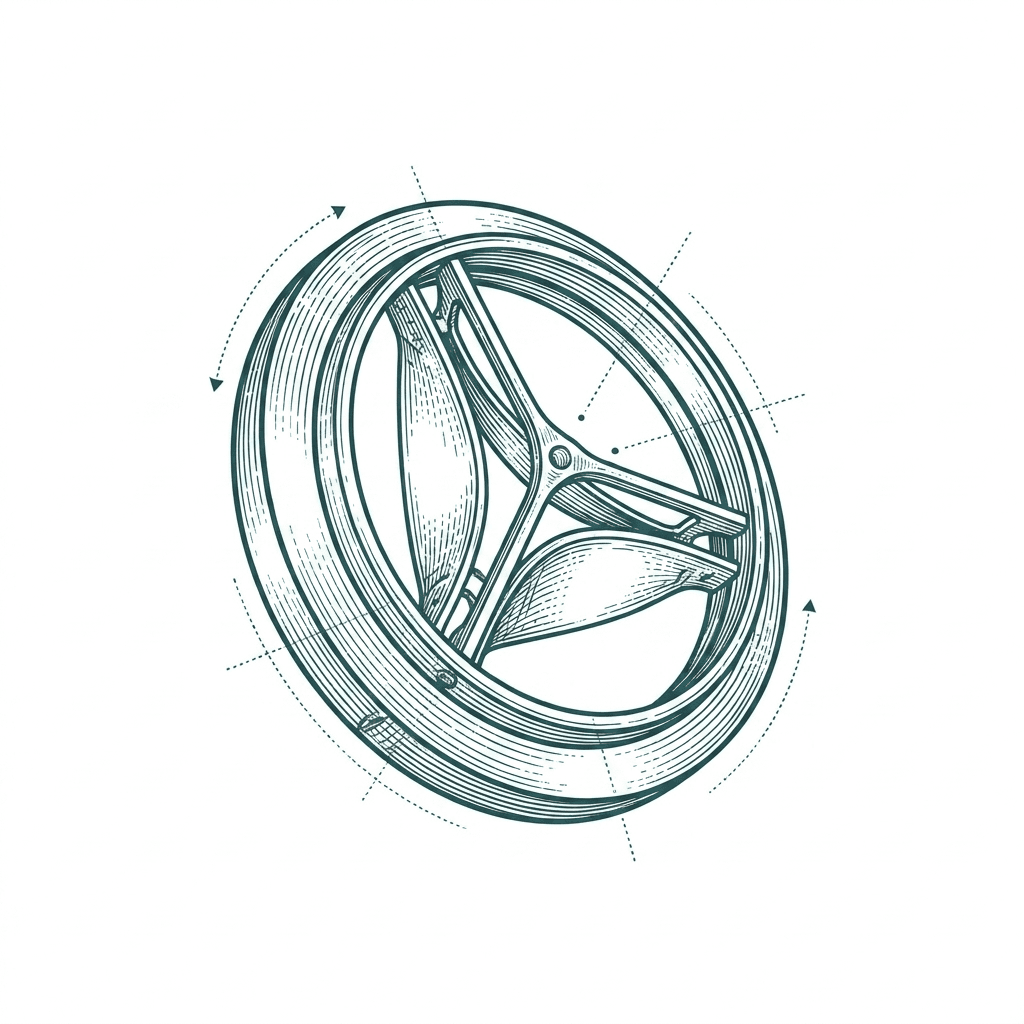
The 60-second summary
What it is
Surgery to fix (repair) or replace a heart valve that isn't opening or closing properly — most often the mitral or aortic valve — restoring normal blood flow through the heart.
Who needs it
People with a valve that's leaking or narrowed badly enough to cause symptoms — breathlessness, fatigue, or swelling — or that risks damaging the heart muscle even without symptoms yet.
Hospital stay
Usually 6–8 days.
Back to normal
Most people return to light activity in 4–6 weeks; full recovery in 2–3 months.
Do you need valve surgery?
- Moderate-to-severe valve leakage or narrowing confirmed on echocardiogram
- Breathlessness, fatigue, or swelling linked to the valve problem
- Early signs the heart muscle is beginning to enlarge or weaken because of the valve, even without symptoms
- A valve infection (endocarditis) that hasn't responded to antibiotics alone
- Valve disease combined with another condition requiring surgery, such as bypass
Not every valve problem needs surgery yet.
Mild valve disease is often watched, not operated on — many patients live for years with regular monitoring alone. Surgery is timed to when the benefit clearly outweighs the risk, not simply when a valve problem is first found.
How Dr. Kaul approaches valve repair and replacement
1 · Repair before replacement, wherever possible
A repaired valve is your own tissue, working again — it usually outperforms an artificial one long-term and avoids lifelong blood thinners in many cases. Dr. Kaul will always assess whether your valve can be repaired before recommending replacement.
2 · Matching the replacement to your life, not just your age
When replacement is necessary, the choice between a mechanical valve (durable, but needs lifelong blood thinners) and a tissue valve (no blood thinners, but wears out sooner) is made around your age, lifestyle, and plans — not a default.
3 · Total spectrum experience
From straightforward single-valve repairs to multi-valve and redo valve surgery, Dr. Kaul's case mix covers the range — including cases other centres refer onward.
“Valve repair vs replacement: how the decision is actually made” — video launching soon on our YouTube channel
Recovery, week by week
The risks, honestly
Valve surgery carries the general risks of open-heart surgery — bleeding, infection, irregular rhythm, stroke — plus considerations specific to the valve and the type of replacement chosen. Mechanical valves require lifelong blood thinning, which carries its own small bleeding risk; tissue valves avoid this but may need replacement again in 10–15 years. Dr. Kaul will walk through your specific risk profile, including which type of valve suits your age and life plans, before you decide.
What valve surgery costs
Every case is priced individually
Delhi NCR private hospitals (indicative) — varies significantly by whether the valve is repaired or replaced, mechanical vs tissue choice, and single vs multi-valve surgery.
Common questions
Often, yes — especially for mitral valve leakage. Repair is assessed first in every case because it tends to give better long-term results. Whether it's possible depends on your specific valve anatomy.
Diagnosed with blockages? Talk before you decide.
A conversation costs nothing — and it may change the plan.