Home / Conditions / Cardiomyopathy
Cardiomyopathy
Reviewed by Dr. Ajay Kaul, M.Ch — Chairman, Cardiac Sciences, Fortis Noida · Updated August 2026
A disease of the heart muscle itself, making it harder for the heart to pump blood effectively. Depending on the type, the muscle may become enlarged and weakened, abnormally thickened, or stiff — each affecting the heart's function differently.
Symptoms
- Breathlessness
- Fatigue
- Swelling in the legs
- Palpitations
- Dizziness or fainting during exertion, more specific to certain types
- In some cases, no symptoms until the disease is advanced
Causes & risk factors
- Often no clear cause is found (idiopathic)
- Genetic factors, particularly for hypertrophic cardiomyopathy
- Long-standing high blood pressure
- Prior heart attacks
- Viral infections affecting the heart muscle
- Excessive alcohol use
How it’s diagnosed
- Echocardiogram — the primary test
- ECG
- Cardiac MRI, for detailed assessment of the heart muscle
- Genetic testing, in selected cases, particularly with a family history
Treatment options
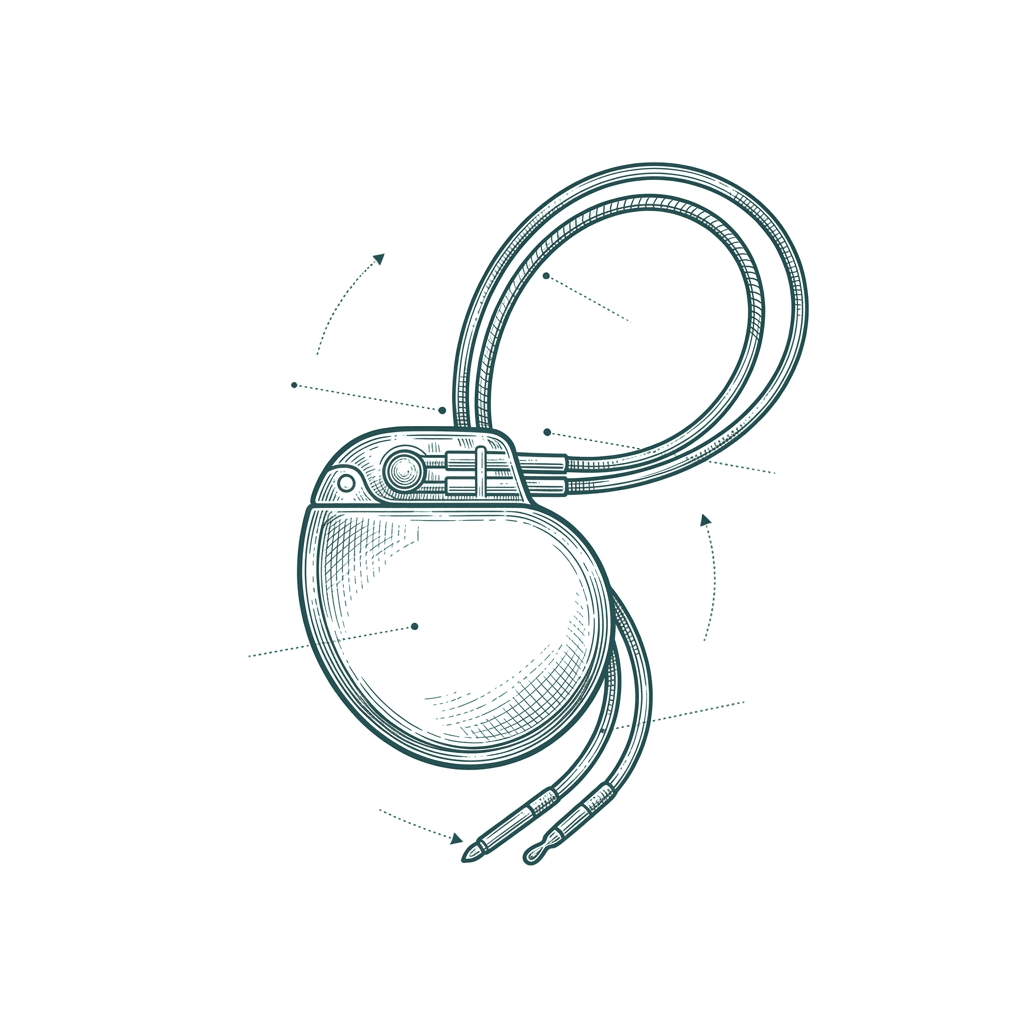
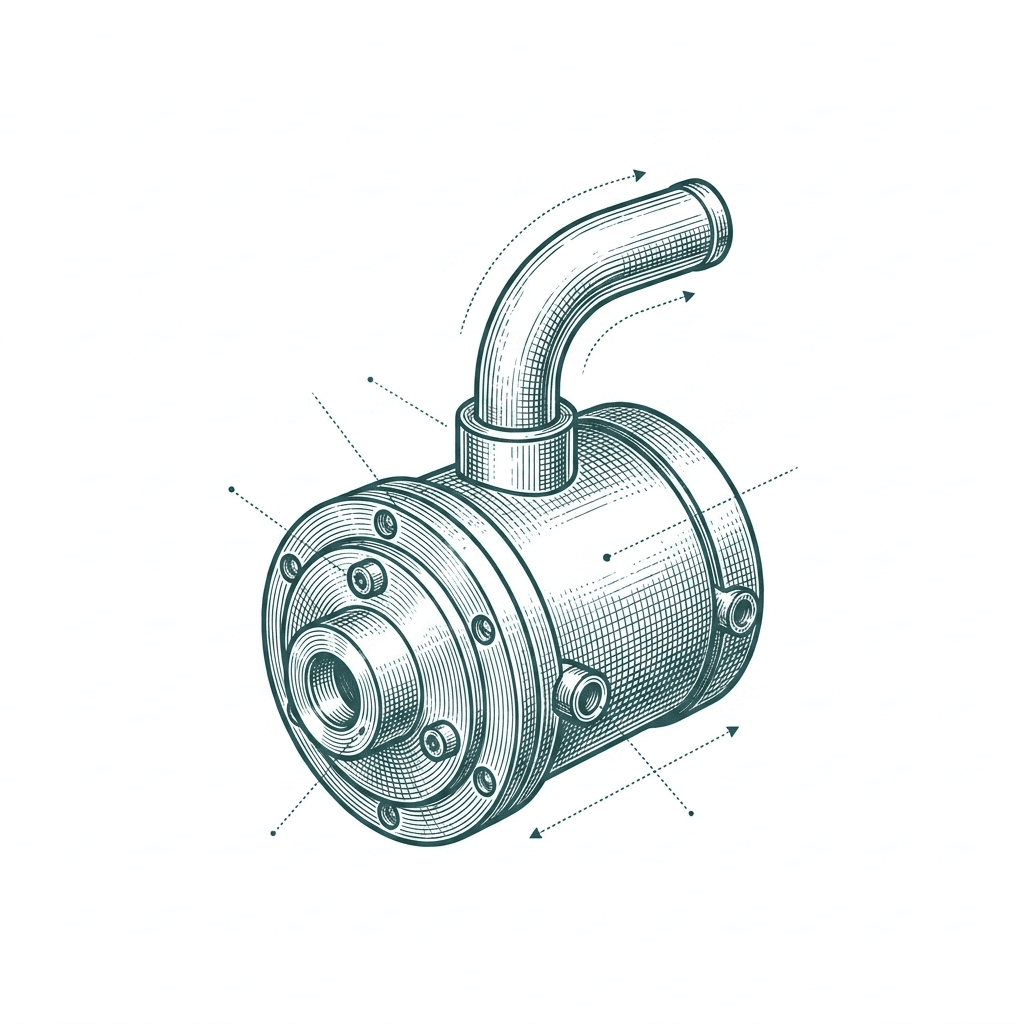
Treatment depends heavily on the type and severity of cardiomyopathy — ranging from medication and lifestyle changes, to devices that protect against dangerous heart rhythms, to advanced heart failure options in more severe cases.
Common questions
Some types, particularly hypertrophic cardiomyopathy, have a genetic component and can run in families — worth discussing with your doctor if there's a family history of sudden cardiac events.
Not sure what your symptoms mean? Ask directly.
Send your reports, or describe what you’re experiencing — Dr. Kaul’s team will guide you to the right next step.