Home / Conditions / Arrhythmia
Arrhythmia
Reviewed by Dr. Ajay Kaul, M.Ch — Chairman, Cardiac Sciences, Fortis Noida · Updated August 2026
An irregular heartbeat — the heart beating too fast, too slow, or with an irregular pattern — caused by a disruption in the heart's normal electrical signalling. Some arrhythmias are harmless; others carry real risk and need treatment.
Symptoms
- Palpitations — a fluttering or racing feeling
- Dizziness or lightheadedness
- Breathlessness
- Fatigue
- Fainting or near-fainting, in more serious cases
- Sometimes no symptoms at all, found incidentally on an ECG
Causes & risk factors
- Coronary artery disease
- High blood pressure
- Heart valve disease
- Prior heart attacks
- Thyroid problems
- Electrolyte imbalances
- Certain medications, caffeine, or alcohol
- In some cases, no identifiable structural cause
How it’s diagnosed
- ECG — the primary test, though it may need to catch the rhythm in the act
- Holter monitor, a 24–48 hour continuous recording
- Event monitors, for less frequent episodes
- Echocardiogram, to check for an underlying structural cause
- Electrophysiology study, in selected complex cases
Treatment options
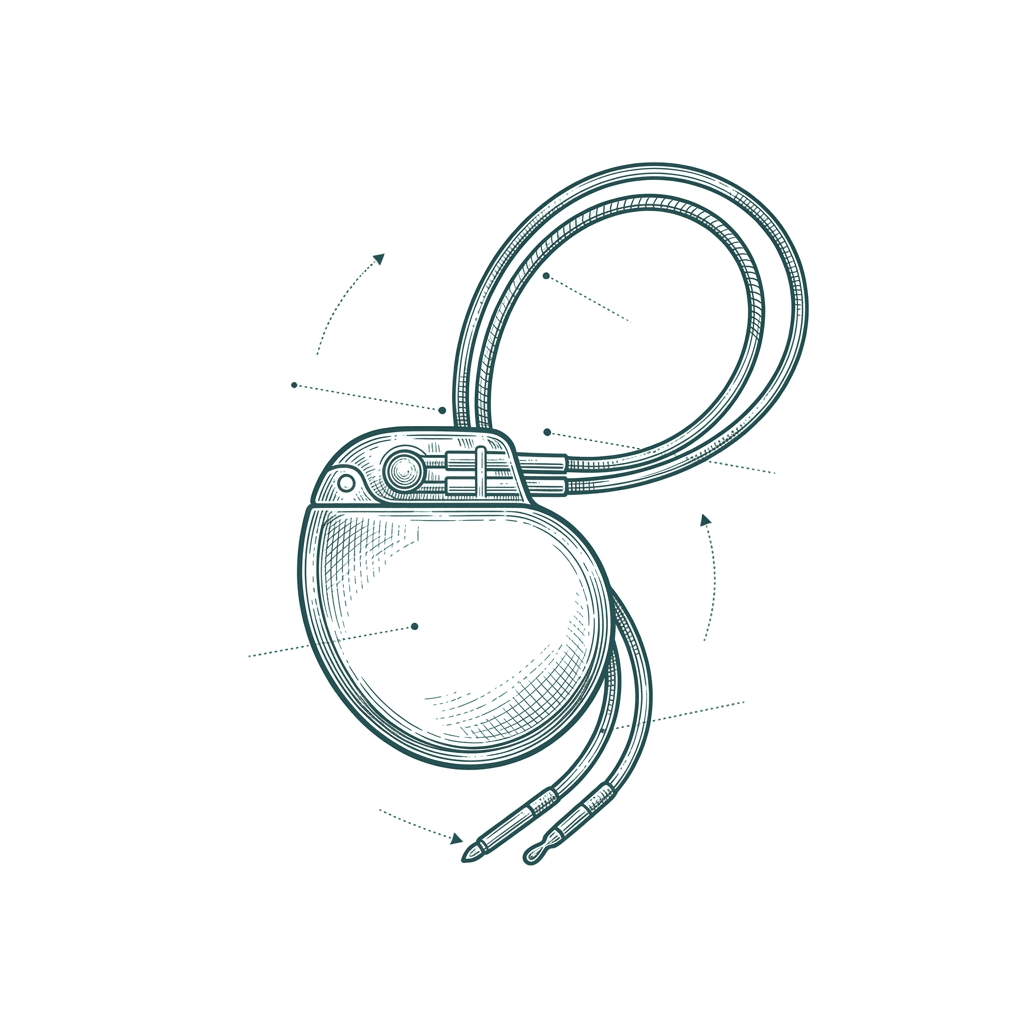
Treatment ranges from lifestyle changes and medication for milder arrhythmias, to catheter-based procedures that correct the electrical pathway causing the problem, to a pacemaker or AICD — depending on whether the heart is beating too slowly, or is at risk of a dangerous fast rhythm.
Common questions
No — many arrhythmias are harmless and simply monitored. Others carry real risk and need treatment. An ECG, and often a period of monitoring, determines which applies to you.
Not sure what your symptoms mean? Ask directly.
Send your reports, or describe what you’re experiencing — Dr. Kaul’s team will guide you to the right next step.